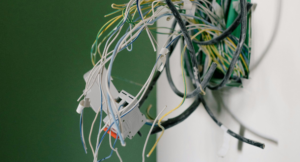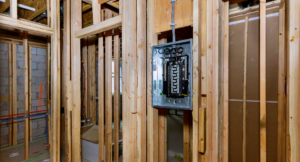

After buying an older home, the most common electrical problems to check for include reverse polarity outlets, ungrounded outlets, missing or faulty GFCI protection, and a panel that may not meet current code. These issues are easy to overlook during a general home inspection but can create real safety risks for your family.
We recently heard from a homeowner on the west side of Madison, WI who had just moved into a ranch-style home. They noticed a few outlets in the basement were not working, suspected some outlets had reverse polarity, and were told by a previous inspector that certain outlets lacked grounding. They wanted someone to come out and sort it all out. It is a situation we run into regularly.
At Helping Hands Electric, we work with new homeowners all the time who discover electrical quirks after settling in. Here is a breakdown of what to look for and why each issue matters.
What Is a Reverse Polarity Outlet and Why Does It Matter?
A reverse polarity outlet has the hot and neutral wires connected backwards, which means the switch on a plugged-in device may not actually cut power to the part you touch. Most devices will still function normally, so many homeowners never notice. But the shock risk is real, especially with older lamps, appliances, or tools.
You can buy an inexpensive outlet tester at any hardware store to identify these. If you find them, a licensed electrician can correct the wiring quickly. It is usually a straightforward fix, but it does need to be done properly inside the box.
What Does It Mean When Outlets Are Ungrounded?
Ungrounded outlets lack a third wire that safely redirects fault current away from you and your devices. In older homes, two-prong outlets were standard. The problem today is that most modern electronics expect a grounded connection, and without it, sensitive equipment like computers and TVs is at greater risk from power surges.
Ungrounded outlets near staircases, bedrooms, or living areas are worth flagging. A licensed electrician can evaluate your options, which may include rewiring, adding a ground wire where possible, or installing GFCI outlets as a code-compliant alternative in certain locations. Our team covers all of this as part of our electrical repair services.
Why Do You Need GFCI Outlets Outside and in Wet Areas?
GFCI outlets are designed to cut power in milliseconds if they detect a ground fault, which makes them essential anywhere water and electricity are close together. Kitchens, bathrooms, garages, and outdoor outlets are all required by modern electrical code to have GFCI protection.
If your home was built or last updated before those code requirements took effect, there is a good chance some of these locations are not protected. An outdoor outlet without GFCI is one of the more common violations we find in older homes throughout Madison.
When Should You Also Have the Electrical Panel Checked?
Any time you move into a home and are not sure of its electrical history, a panel checkup is a smart starting point. The panel is the hub of your entire electrical system. An outdated or overloaded panel can cause breakers to trip repeatedly, create fire risks, or simply fail to keep up with the demands of modern appliances.
If one wall of outlets has stopped working entirely and resetting the breaker did not fix it, that is a sign something deeper may be going on, whether it is a tripped GFCI upstream, a wiring fault, or a breaker that is failing internally. These are not problems to guess at.
Our licensed electricians have years of experience diagnosing exactly these kinds of layered issues in residential homes.
Frequently Asked Questions
Can I fix reverse polarity outlets myself?
Technically, it involves swapping two wires inside an outlet box. But if you are not experienced with residential wiring, it is easy to make things worse or create a new hazard. We recommend having a licensed electrician handle it so the work is done safely and correctly the first time.
Do all my outlets need to be grounded to pass an inspection?
Not necessarily. Current code allows GFCI outlets as an acceptable substitute for grounding in some locations. However, what is acceptable depends on the age of the home and the specific circuit. A licensed electrician can tell you what your home actually needs.
How do I know if my electrical panel is a problem?
Frequent tripped breakers, flickering lights, or outlets that stop working without a clear cause are all warning signs. Some older panel brands also have known reliability issues. A panel checkup from a licensed electrician will give you a clear picture of where things stand.
If you just bought a home in Madison, WI and want peace of mind about your electrical system, we are ready to help. Contact us to schedule an appointment with one of our licensed electricians. We will assess what you have, explain what we find, and give you a clear estimate before any work begins.