There’s a lot to love about an older Madison home, but trying to stay cool through a humid Wisconsin summer usually isn’t one of those things. Every June and July, homeowners call us with the same frustration: the air conditioner runs all afternoon and the house still won’t drop below 78 degrees. Sometimes the upstairs feels like an attic. Sometimes the breaker trips the moment a second window unit kicks on. If any of that sounds familiar, you’re not doing anything wrong, and your home isn’t beyond help. Older houses simply weren’t built for the cooling demands we put on them today, and the fix is often simpler than you’d expect once you know what’s actually causing the problem. As a dual-licensed electrical and HVAC contractor serving Madison and Dane County for more than 20 years, we look at both sides of that equation, and that’s often where the real answer is hiding.
Why Older Homes in Madison Struggle to Cool Down
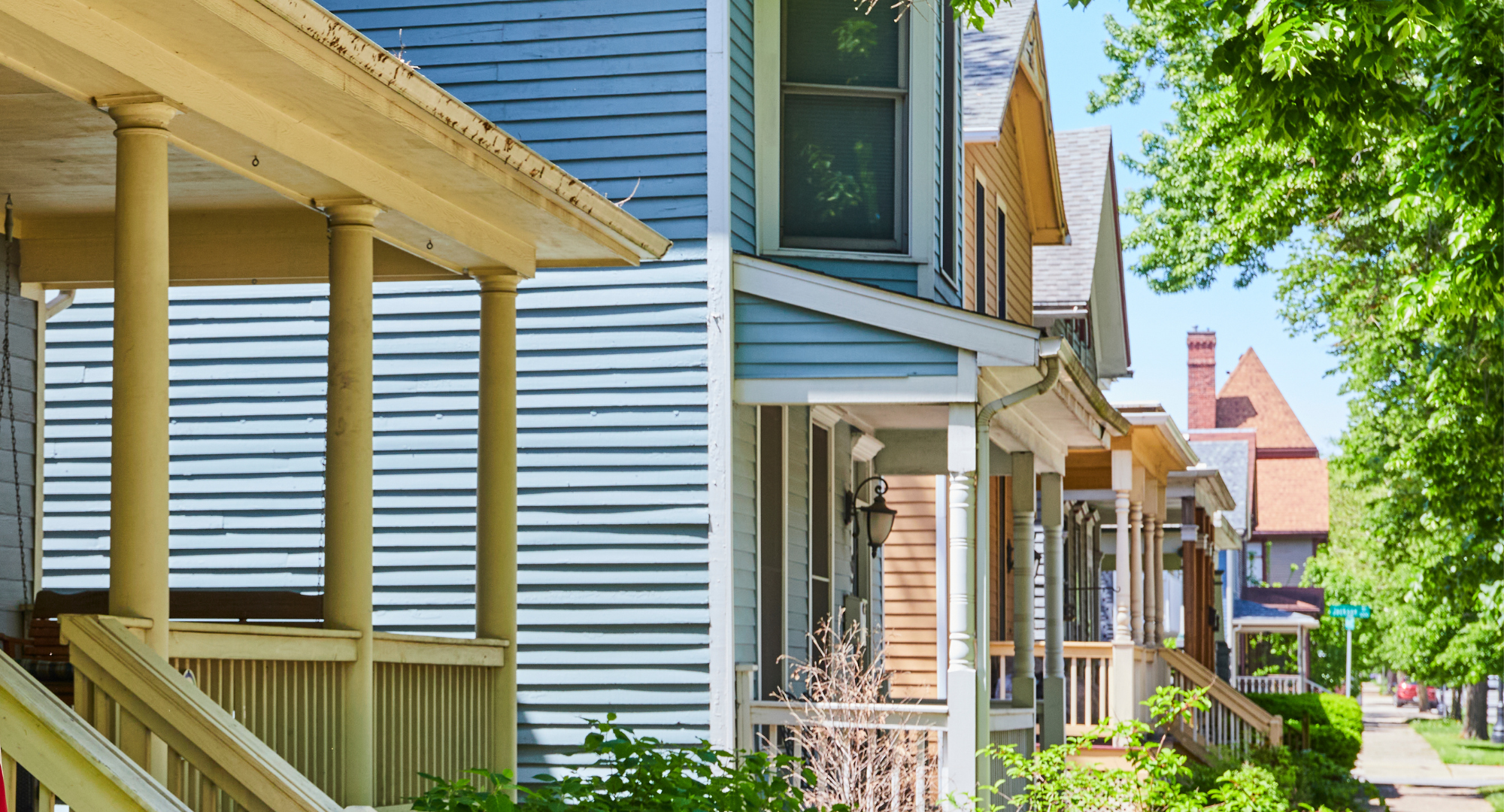
Most of Madison’s older housing stock, from the bungalows on the near west side to the farmhouses out in Rock County, was built before central air conditioning was standard. That means the cooling system was added later, the wiring was sized for a different era, and the building itself was designed to hold heat rather than release it. When you combine those three things, you get a home that fights you every time the temperature climbs. Understanding the cause is the first step toward fixing it for good – instead of just surviving another heat wave.
The Electrical Side of the Problem
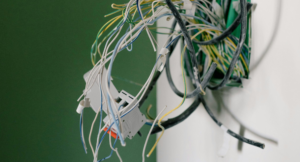
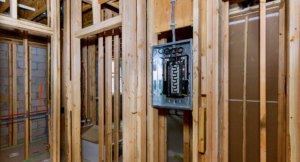
Here’s the part many homeowners never consider: a cooling problem is sometimes really an electrical problem. Many older homes in our service area still run on 60- to 100-amp electrical service, which was plenty for a household in 1955 but can be stretched thin by modern air conditioning, multiple window units, and everything else plugged in on a hot day. When a panel can’t keep up, you get tripped breakers, flickering lights, and an AC that struggles to start. Modern central air conditioners also require their own dedicated 240-volt circuit, and an aging panel may not have the capacity or open space to support one safely. This is exactly why we check the electrical system before recommending any cooling upgrade.
The Cooling Side of the Problem
On the HVAC side, older homes carry their own challenges. Ductwork that was retrofitted years ago often never reached the upper floors properly, so the second story bakes while the basement stays cool. Original single-pane windows and thin or missing attic insulation let the heat you’re paying to fight pour right back in. And an aging condenser that has run for 15 or more summers may simply be losing the ability to keep up. None of these problems are unusual, and none of them mean your home is a lost cause. They just need the right diagnosis from someone who works on older homes regularly. You can read more about AC maintenance here.
Common Cooling Problems We See in Older Homes
When we visit an older Madison home that won’t cool down, the same handful of issues come up again and again. Breakers trip when the air conditioner runs alongside other appliances. Warm air blows from the vents even though the unit is clearly running. One room or one floor stays uncomfortable no matter where the thermostat is set. The outdoor condenser hums but the fan won’t start. Each of these symptoms points toward a specific cause, and catching them early almost always saves you money. A small refrigerant or electrical issue that gets ignored in June can turn into a burned-out system by August, which is the worst possible time to be without cooling. The good news is that an inspection takes far less time and money than an emergency replacement.
Common Homeowner Questions About Cooling an Older Home
These are the questions we hear most often from homeowners across Madison, Fitchburg, Verona, and the surrounding Dane County area. Here’s how we answer them.
Can my older home’s electrical panel handle a new air conditioner?
Not always, and it’s worth checking first. A central air conditioner needs its own dedicated 240-volt circuit, and many older homes simply don’t have the panel capacity or open breaker space to add one safely. Before you invest in a new system, we evaluate your existing service to confirm it can handle the load. If it can’t, a panel upgrade is usually straightforward, and because we’re licensed for both electrical and HVAC work, we can handle the entire job without sending you to a second contractor. This is one thing our customers really love.
Why is the upstairs of my old house so much hotter than the rest?
Heat naturally rises, and older homes rarely have the insulation, sealing, or balanced ductwork needed to manage it. In many cases the upper floors were added to a duct system that was never designed to reach them, so very little cool air actually makes it upstairs. The fix depends on the home, but it often involves a combination of sealing, airflow balancing, and sometimes a targeted cooling solution for that floor. We’ll tell you which approach makes sense for your house rather than guessing.
Will running window AC units overload my old wiring?
It can. A larger window unit can draw 10 to 15 amps, while a standard 120-volt household circuit is only designed to carry about 12 amps of continuous load. Run a couple of units on the same older circuit along with other devices and the breaker does exactly what it’s supposed to do: it trips to protect your wiring. If your breakers trip often during summer, that’s a sign your circuits are overloaded, and it’s worth having them looked at before anything overheats.
Are ductless mini-splits a good option for older homes without ductwork?
For many older homes, they’re one of the best options available. A ductless mini-split delivers efficient cooling without the need to tear into walls and ceilings to install ductwork, which makes it ideal for homes that never had a good duct system in the first place. They’re also great for cooling that stubborn upstairs bedroom or a finished attic. We install systems from trusted brands like Mitsubishi and can walk you through whether a mini-split or a traditional central system is the smarter investment for your home.
Should I repair my old air conditioner or replace it?
It depends on the age of the unit, the cost of the repair, and how reliably it’s been running. As a general rule, if your system is well over a decade old and needs a major repair, replacement often makes more financial sense than pouring money into a unit that’s near the end of its life. But that isn’t always the case, and we won’t push you toward a new system you don’t need. We give you an honest assessment with flat-rate pricing so you know the cost up front, and we offer financing through Wisetack if a replacement turns out to be the right call. You can see more seasonal cooling tips on our blogs.
How We Help Madison Homeowners Stay Cool
What sets us apart in older homes is that we don’t look at the air conditioner in isolation. Because we’re dual-licensed in both electrical and HVAC, we can tell you whether your home needs a simple tune-up, a panel upgrade, a ductless mini-split, or a full system replacement, and we can do all of it ourselves. That means no runaround, no second contractor, and no guessing about which trade is responsible for the problem. We’ve spent more than 20 years working in homes exactly like yours across Madison, Fitchburg, Verona, Middleton, Waunakee, Sun Prairie, and throughout Dane and Rock counties. We offer flat-rate pricing so there are no surprises and have financing options that make larger projects manageable. Most importantly, we treat your home with the care it deserves, because we know an older house is worth keeping comfortable for the long haul.
Schedule Your AC and Electrical Inspection in Madison Today
Don’t wait for the next heat wave to find out your older home can’t keep up. A quick inspection now can spot the electrical and cooling issues that lead to breakdowns later, and it’s far less costly than an emergency repair in the middle of August. Whether your air conditioner is blowing warm, your breakers keep tripping, or your upstairs just won’t cool down, we’re ready to help. Call us today at (608) 219-8522 or contact us online to schedule your AC and electrical inspection. Let’s get your home cool, comfortable, and ready for summer, the right way. Learn more about our full range of services at helpinghandselectric.com.