Yes, you can add electric baseboard heaters to a finished basement. A licensed electrician will assess your electrical panel, confirm you have enough capacity (typically 240-volt service), supply and install the heaters, and set up thermostat controls. The result is reliable, zone-specific heat without major renovations.
A homeowner outside of Madison, WI recently called us about exactly this. They had just finished their basement and wanted to add some heat before the cold months hit. It’s a common question, and the good news is that baseboard heat is one of the cleaner, less invasive heating upgrades you can add to an already-finished space.
At Helping Hands Electric, we handle this type of work regularly. Here’s what you should know before moving forward.
What Does the Installation Process Actually Involve?
Installing electric baseboard heaters involves more than just plugging something in. Each heater runs on a dedicated 240-volt circuit, which means your electrician needs to run new wiring from your electrical panel to each unit. They’ll also need to install a thermostat, either built into the heater itself or mounted on the wall as a separate control.
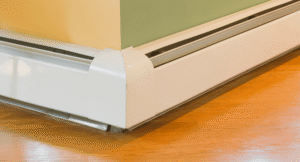
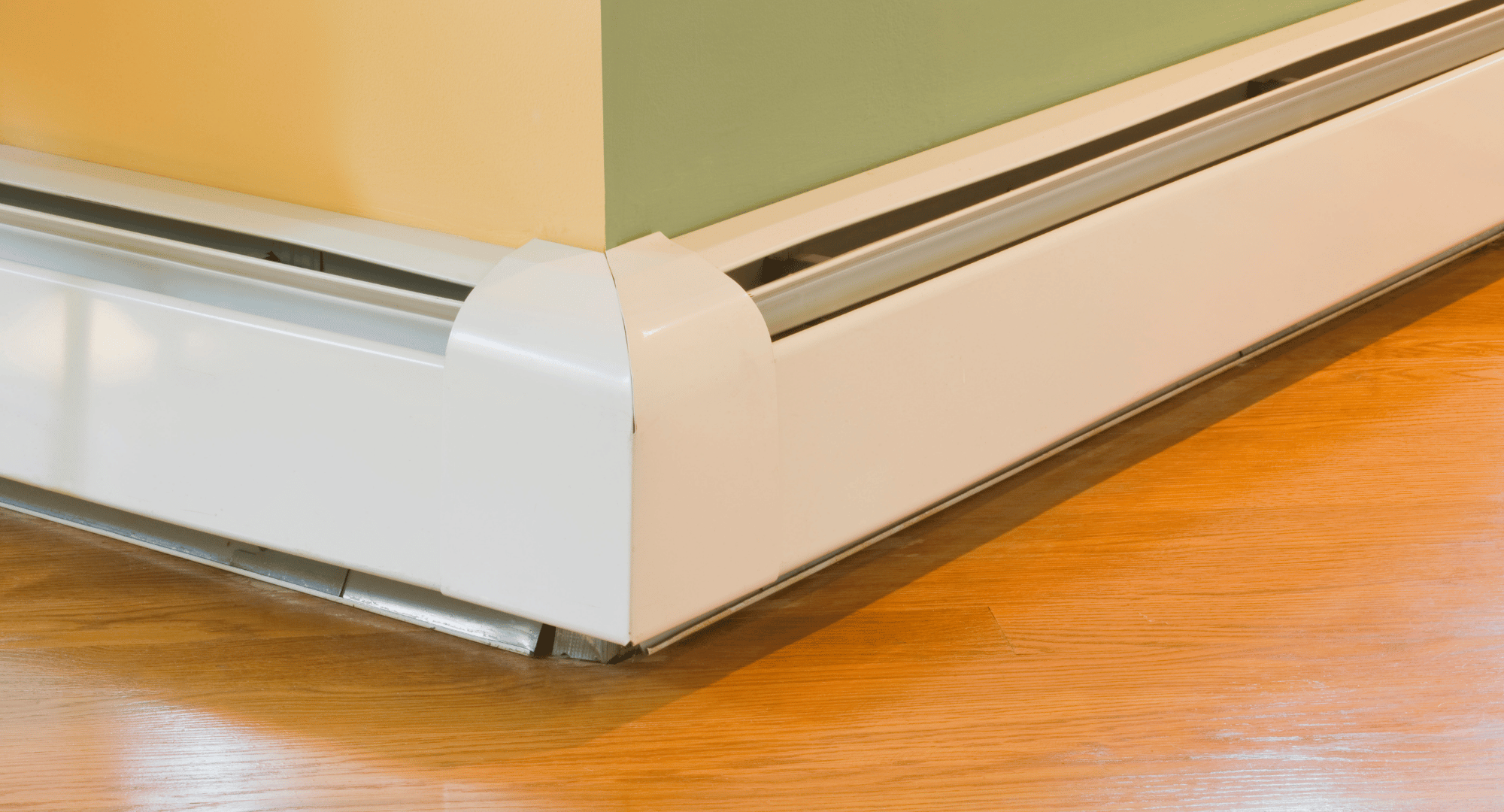
For a finished basement, the work is still very manageable. The heaters sit along the base of the wall, out of the way, and blend in easily since they come in standard white finishes that match typical baseboard trim. Your electrician will assess the best placement to maximize warmth and airflow.
Does My Electrical Panel Need to Be Able to Handle It?
Your panel needs to have enough capacity to support the additional circuits. Electric baseboard heaters run on 240-volt, high-draw circuits, so this is one of the first things we check during an assessment. Most newer homes with 200-amp service have room for this kind of addition, but it’s not something to assume.
If your panel is older or already near capacity, your electrician may recommend an upgrade before moving forward. That’s not a reason to avoid the project. It’s just part of doing the job right. Our electrical services include a full assessment so nothing gets missed.
Should I Use a Built-In Thermostat or a Wall Thermostat?
Both options work, and the right choice depends on how you want to control the heat. Built-in thermostats are simpler and less expensive to install. Wall-mounted thermostats give you more precise temperature control and are easier to adjust without bending down to the heater itself.
If you’re heating a larger basement or want the space to feel more like the rest of your home, a wall thermostat is usually the better experience. Your electrician can walk you through both options and help you decide what makes sense for your space.
What Should I Expect During the Estimate Visit in the Madison, WI Area?
We start with an in-home assessment before any work begins. An electrician will come out, look at your basement layout, evaluate your panel, and talk through the options with you. From there, we put together a flat-rate estimate that covers everything so you know exactly what you’re agreeing to before we pick up a tool.
We provide the heaters, handle all the wiring, and install the thermostats. You don’t need to source anything on your own. Our licensed team handles the full project from start to finish.
Do I need a permit for electric baseboard heater installation?
In most cases, yes. Any new electrical circuit installation typically requires a permit and inspection. Your electrician should handle pulling the permit as part of the job. Be cautious of anyone who skips this step.
How many baseboard heaters will I need for my basement?
It depends on the square footage of the space, ceiling height, and how well the basement is insulated. Your electrician will calculate the right wattage during the assessment so you’re not under-heating or overloading your system.
Can baseboard heaters be installed in a basement with finished walls?
Yes. Finished walls don’t prevent installation. The heaters mount along the base of the wall, and your electrician can route wiring in a way that minimizes disruption to your finished surfaces.
Ready to get started? Contact us to schedule your estimate and find out what adding baseboard heat would look like for your home.